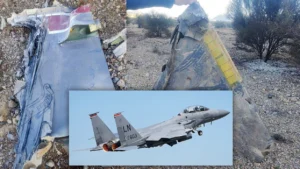
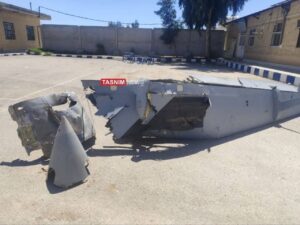
Israeli Channel 12: one F-15E crew member successfully rescued. Israeli Channel 12 is reporting that one of the two F-15E crew members has been rescued. If confirmed, it would mark the first successful extraction of a downed US airman from Iranian territory since the conflict began — and a significant vindication of the high-risk CSAR package the Americans committed to the Lordegan area earlier today. The status of the second crew member remains unresolved. No statement has been issued by US Central Command.
F-16CJ "Wild Weasel" squawks 7700 over Saudi Arabia — aircraft disappears from tracking — one pilot confirmed ejected, second unaccounted for. A USAF F-16CJ configured for Suppression of Enemy Air Defences (SEAD) — the so-called "Wild Weasel" variant, Block 50/52 — has transmitted a 7700 emergency squawk over Saudi Arabian airspace near the Iraqi border. The aircraft has since disappeared from FlightRadar tracking. Early reporting indicates that one of the aircraft's two crew members has survived and performed an emergency ejection — visual confirmation of the ejection seat deploying has been obtained. The second pilot is a different matter: no visual footage of his ejection seat landing has emerged at this stage, and his status remains unknown. A 7700 squawk is the universal aviation emergency code, indicating a general emergency aboard the aircraft. Combined with the loss of the track, this strongly suggests the aircraft went down rather than executing a controlled divert. The F-16CJ's SEAD role — hunting and destroying enemy radar and SAM systems — places it directly in the threat envelope of the same Iranian air defence network that downed the F-15E earlier today. No US government statement has been issued.
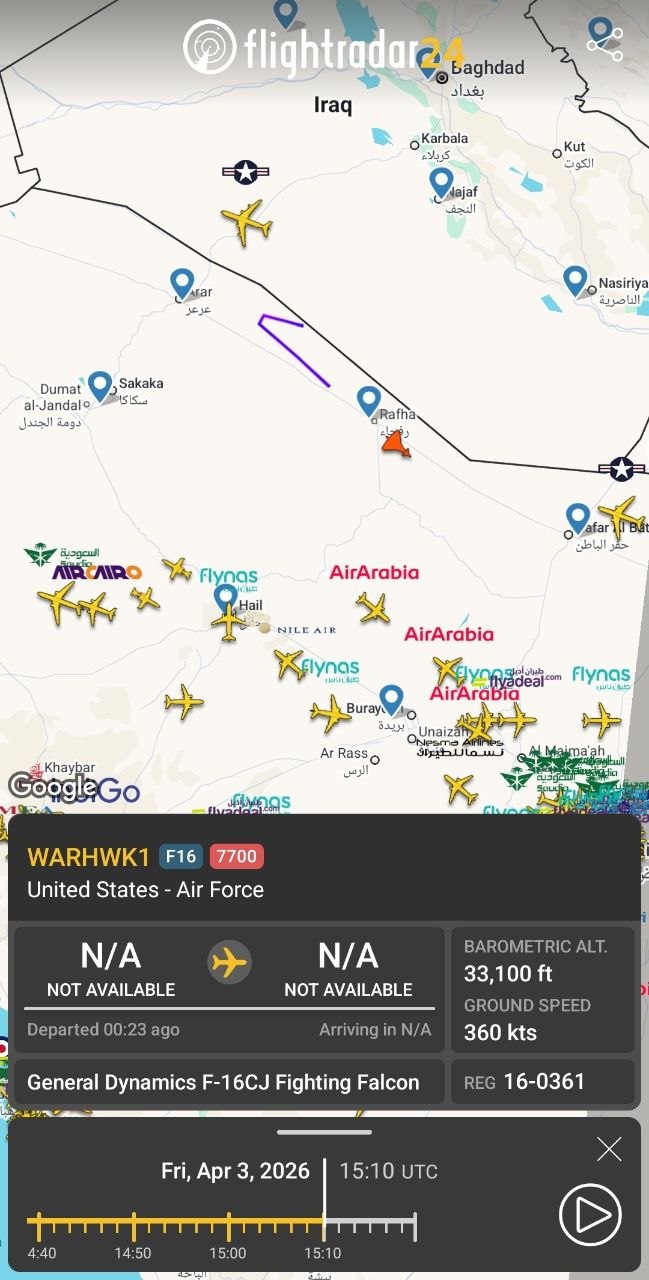
F-16CJ "Wild Weasel" (Block 50/52 SEAD configuration). The aircraft transmitted a 7700 emergency squawk over Saudi airspace near the Iraqi border before disappearing from FlightRadar. Source: FlightRadar24 / OSINT.
The United States is conducting an active combat search and rescue operation inside Iranian territory following the confirmed shootdown of an F-15E Strike Eagle near Lordegan in Chaharmahal and Bakhtiari Province. The crash site lies approximately 200 kilometres from the Iraqi border — deep in Iran's mountainous interior. Footage of the operation, including US aircraft over Iranian soil, has already circulated widely on social media.
The sequence of events is now broadly established by open-source evidence. An F-15E was shot down — the wreckage and ejection seat have been located and documented. Iranian state media published images of the pilot's ejection seat, indicating the crew member ejected successfully. The Americans have responded by launching a significant search and rescue package — a decision that carries substantial operational and political risk — suggesting they have reason to believe the pilot is alive and recoverable.
This report is based on open-source intelligence, social media footage, and Iranian state media output. The US Department of Defense has not issued a public statement on the operation at time of publication. No official confirmation of aircraft loss or pilot status has been made. Iranian claims regarding helicopter shootdowns remain unverified.
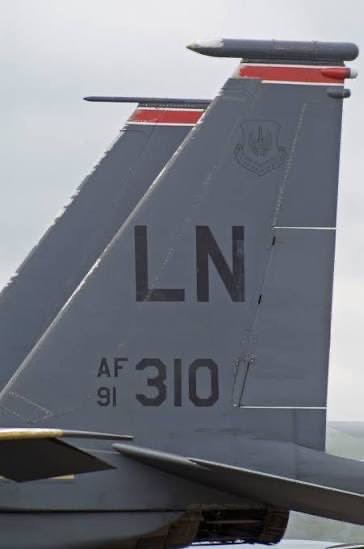
Both images confirm recovery of the F-15E tail section near Lordegan, Chaharmahal and Bakhtiari Province. The distinctive twin-tail profile of the Strike Eagle is identifiable in the wreckage. Source: Iranian OSINT accounts, 3 April 2026.
The Crash: Lordegan, 200 km from the Iraqi Border
Based on footage and geolocation data circulating across multiple open-source accounts, the F-15E went down in mountainous terrain near Lordegan — a provincial town in Chaharmahal and Bakhtiari Province in central Iran. The location is significant: at roughly 200 kilometres from the Iraqi border, this is not a border incident or a navigational error. An F-15E operating at this depth inside Iranian airspace was conducting a deliberate deep-penetration mission — either a strike sortie, suppression of enemy air defences, or an escort package supporting other assets.
The terrain around Lordegan is heavily forested upland, cut by river valleys. It is sparsely populated, largely tribal in character — which matters both for the rescue effort and for Iran's response. The Islamic Republic's reach into such areas depends heavily on local informant networks and tribal cooperation, and Tehran has now activated precisely that lever.
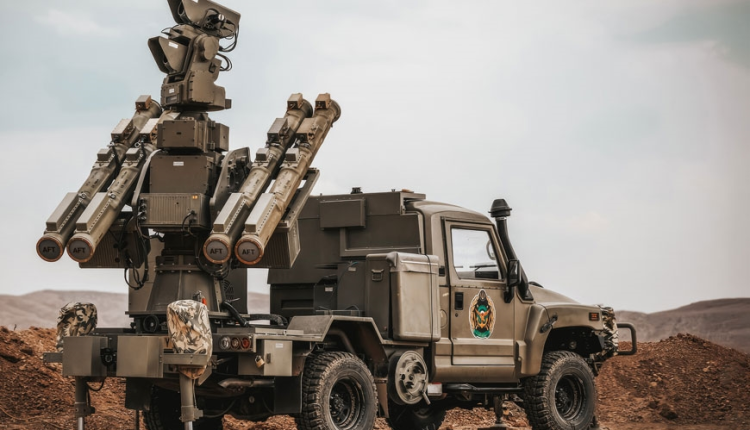
The 'Majid' is an Iranian domestically-developed short-to-medium range mobile surface-to-air missile system. Deployable in dispersed ambush configurations, it is consistent with the hit-and-run air defence tactics Iran has adopted following sustained US suppression campaigns. The system is assessed as the likely threat that engaged the F-15E.
Iran's Residual Air Defence Capability — The Majid System
The shootdown is a reminder that Iran's air defence network, though degraded by weeks of systematic US and Israeli suppression, has not been eliminated. What has changed is the character of the threat. Iran has shifted from a posture built around integrated, radar-linked SAM batteries — which are vulnerable to detection and pre-emptive SEAD strikes — toward dispersed, mobile, ambush-oriented platforms. The Majid system is the clearest expression of this adaptation.
The Majid is an Iranian-developed short-to-medium range mobile SAM system, designed for rapid deployment, repositioning, and concealment. It does not need to be part of a network. It can sit dormant — radar-off, optically cued — in terrain that makes it nearly impossible to find from the air until it fires. Against an aircraft executing a standard strike profile at medium altitude, a Majid crew operating in ambush mode can acquire, lock, and engage with minimal warning time for the target. The flare deployment visible in the header video above reflects exactly this scenario: a lock-on achieved before the pilot had time to execute a full defensive break.
Systematic strikes on Iranian air defence positions have weakened integrated network capability — but they have simultaneously pushed Iran toward dispersed, hit-and-run ambush tactics that are in some respects harder to suppress than static installations. The Lordegan shootdown is the result.
Praevisio Institute AssessmentThe Rescue Package: HC-130, HH-60G, A-10, MQ-9A, F-35
The American response to the shootdown has been operationally substantial. Multiple asset types have been confirmed in OSINT footage over the crash area and its approaches — a package that indicates the US military committed significant resources to a high-risk recovery mission rather than stand down and wait.
An HH-60 Pave Hawk helicopter filmed flying at low altitude — consistent with nap-of-the-earth profile used to minimise radar exposure during combat search and rescue penetration. Source: Telegram OSINT accounts, 3 April 2026.
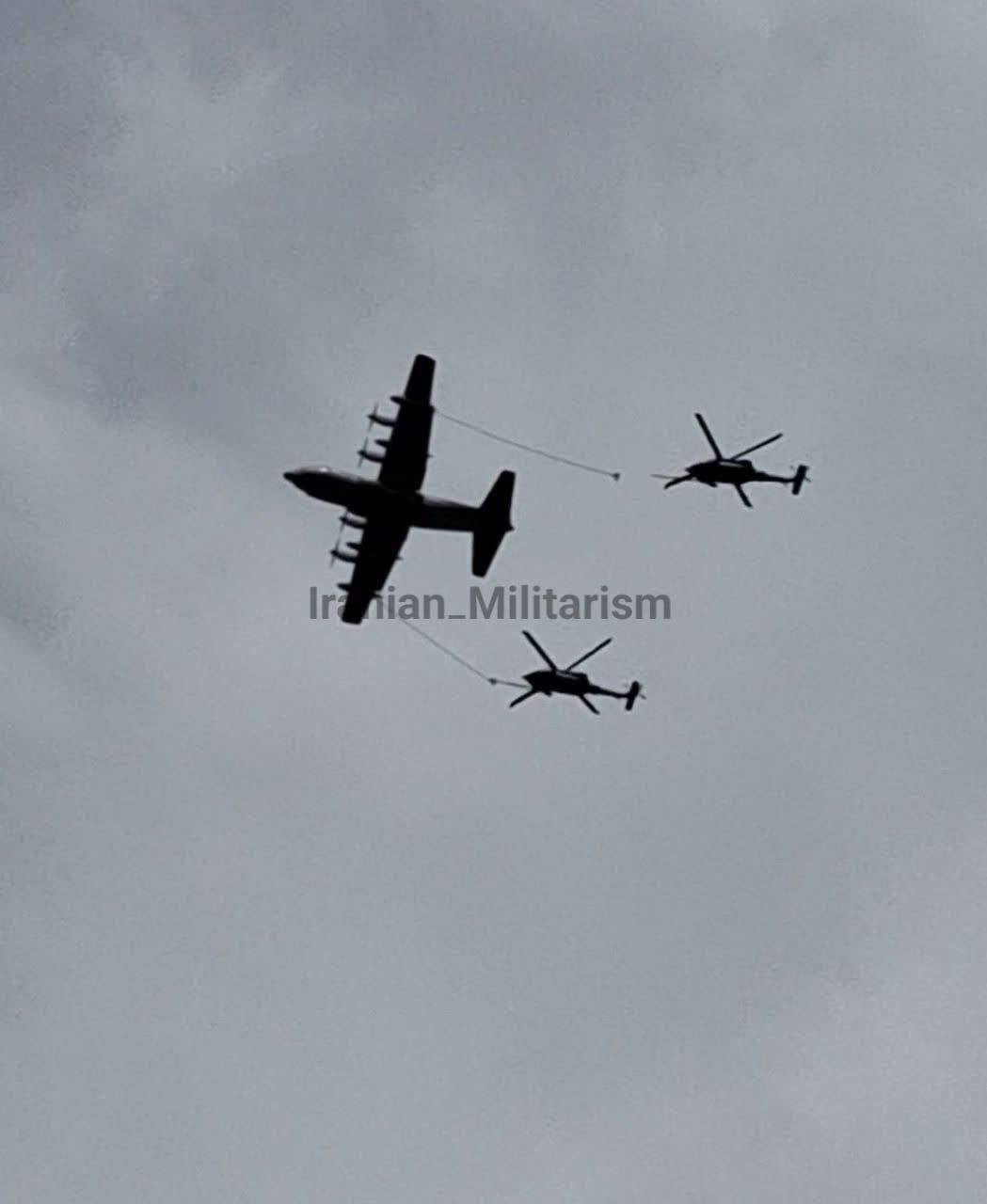
A US MC-130J Commando II Special Operations Command aircraft refuelling two UH-60 Black Hawk helicopters in flight as they proceed toward the mission area for an imminent special operations rescue mission in central Iran. Source: OSINT, 3 April 2026.
F-15E Ejection Seat Confirmed — One Pilot Ejected, Not Yet in Iranian Custody
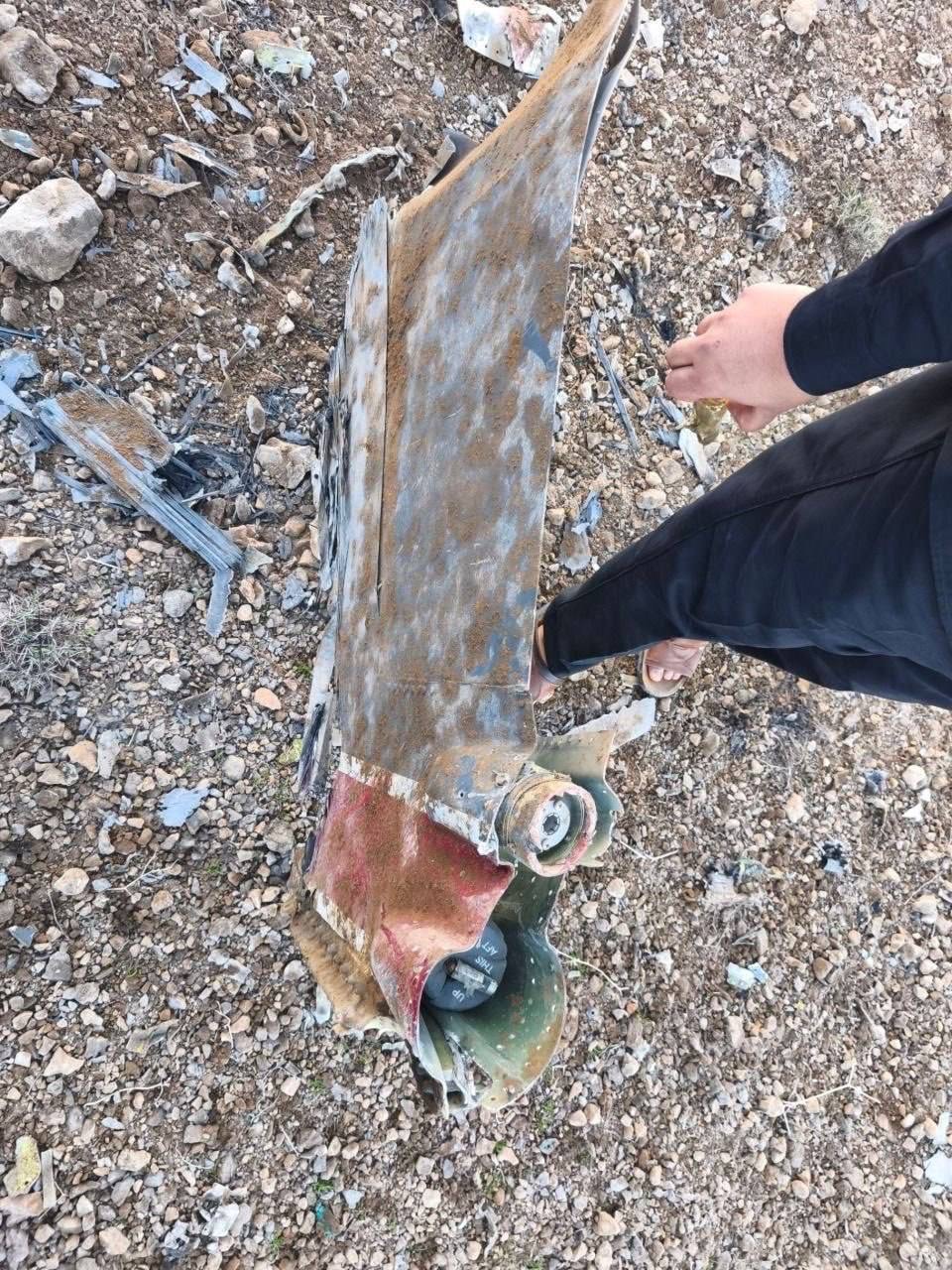
Iranian media published imagery of an ejection seat recovered near the F-15E crash site — physical confirmation that at least one of the crew ejected from the aircraft before impact. It is important to note that this seat is associated with the F-15E incident specifically; the status of the two crew aboard the F-16CJ that went down later in the day is a separate question, with only one ejection confirmed and the second pilot still unaccounted for. In the case of the F-15E pilot, Iran has not released footage of him in custody — which, given Tehran's standard practice of immediate and prominent display of captured personnel, strongly implies he has not been captured at time of publication.
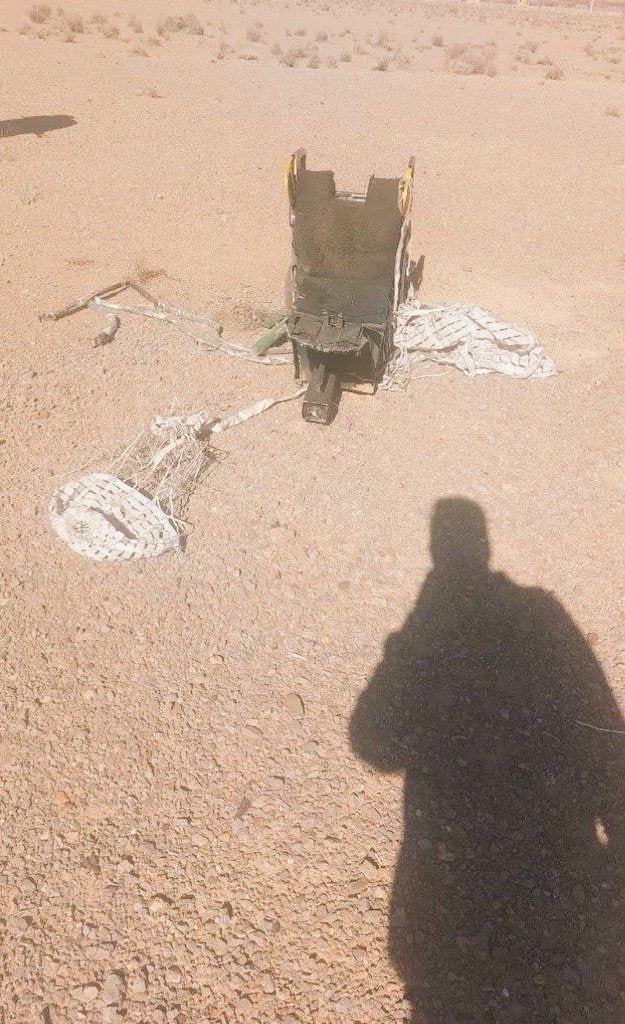
The ejection seat of the F-15E pilot, recovered near the crash site outside Lordegan. This is distinct from the F-16CJ incident reported later in the day — only one of that aircraft's two crew has had an ejection confirmed so far. Iran has not produced footage of the F-15E pilot in custody, suggesting he remains at large. Source: Iranian state media, 3 April 2026.
That the Americans launched a rescue package of this scale and risk is the strongest available indicator that they assess the pilot as alive and on the ground somewhere in the Lordegan area. Combat search and rescue operations of this complexity — HC-130 tanker support, multiple helicopters, A-10 and F-35 escort — are not dispatched unless there is a credible locator signal or survival indication. The US military does not commit this level of assets on the basis of hope alone.
Iran's Bounty Strategy: The Tribal Factor
With limited ability to quickly deploy ground forces into mountainous terrain it does not fully control, Iran has activated an alternative mechanism: financial incentives to the local tribal communities that dominate the Lordegan area. Iranian authorities have reportedly issued substantial bounties — payable to any local who can locate, detain, and hand the pilot over to Iranian Revolutionary Guard Corps or security forces.
This is not a negligible threat. The Chaharmahal and Bakhtiari region is tribal in character, and its communities have complex relationships with central authority in Tehran — neither uniformly loyal nor uniformly hostile. A significant financial offer changes the calculation for individuals who may otherwise have no ideological stake in the conflict. It is, in essence, a human intelligence dragnet activated across exactly the terrain the pilot is likely evading through.
Against this, the pilot will have survival equipment, training in evasion and resistance, and — if the locator signal is active — an American rescue team already on approach. The outcome will depend on whether the Americans can reach him before the local informant network closes in. That is, ultimately, a race.
Iran Claims Black Hawk Shootdown — Not Yet Confirmed
Iranian media have claimed that an HH-60 Black Hawk helicopter participating in the rescue operation was shot down. No footage or physical evidence has emerged to corroborate this claim at time of publication, and it should be treated with significant caution. Iran has a documented pattern of issuing unconfirmed loss claims against American assets — some of which prove accurate, others of which do not. The Praevisio Institute treats this claim as unverified pending independent evidence.
Strategic Context: An Amphibious Operation in the Background
What makes the Lordegan rescue operation particularly significant is the broader operational context in which it is unfolding. Reporting has indicated that the United States is in advanced preparation for some form of amphibious operation against Iranian coastal targets. Against that backdrop, a deep-penetration CSAR mission 200 kilometres from the Iraqi border reads as more than an isolated incident — it suggests the air campaign is probing Iranian territory at depths and angles that would be consistent with shaping operations for a larger ground or amphibious push.
The fact that the Americans are prepared to run this risk — putting Special Operations helicopters deep inside Iran, in contested airspace, with only fighter escort and a Reaper for cover — indicates a level of operational confidence that is either well-founded or recklessly optimistic. Iran's residual capability to respond to a sustained rescue operation in this terrain is limited but not zero.
This article was published on 3 April 2026. The rescue operation is ongoing at time of publication. The pilot's location and status remain unconfirmed. Iran's claim of a Black Hawk shootdown has not been verified. The US Department of Defense has not issued a public statement. This is a rapidly developing situation.