The Case for Sport Diplomacy in Times of Polarization
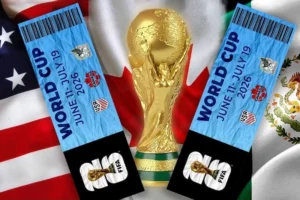
The 2026 FIFA World Cup will take place during times of political polarization, strategic rivalries amongst global powers, and growing tensions between allies. The decision to award the 2026 World Cup to be jointly hosted by the United States, Canada and Mexico has gained renewed political relevance.
This tournament can be viewed as a political signal with discussions about boycotts in times of geopolitical tension. In the past, these events provided ground to overcome political disputes by creating spaces for cultural exchange, collective emotion, and shared global experiences.
For millions of people, the World Cup is not associated with governments or policies, but with personal memories and cross-cultural interactions. A boycott would merely punish athletes, sports fans, and civil societies.
As today's times are increasingly characterized by polarization and rivalry, maintaining these channels of exchange is not a luxury but a necessity. These dynamics cannot be replicated through political dialogue.
The 2026 FIFA World Cup will take place during times of political polarization, strategic rivalries amongst global powers, and growing tensions between allies. Current and past disputes between the United States and several international partners, for instance the debate surrounding Greenland and Denmark, have contributed to a broader discussion about political legitimacy and alliance cohesion.
The decision to award the 2026 World Cup to be jointly hosted by the United States, Canada and Mexico has gained renewed political relevance. Unlike previous tournaments hosted by a single nation, this World Cup represents a transcontinental effort among three democracies with close economic and security ties, but also different political ambitions. As a result, this tournament can be viewed as a political signal with discussions about boycotts in times of geopolitical tension.
In the past, these events provided ground to overcome political disputes by creating spaces for cultural exchange, collective emotion, and shared global experiences. For millions of people, the World Cup is not associated with governments or policies, but with personal memories and cross-cultural interactions. Especially in times of heightened political confrontation, events like these should remain a platform for cultural interaction and people-to-people diplomacy. Major international tournaments have historically functioned as spaces where political differences are temporarily set aside in favor of shared experiences. People are brought together, not governments. A boycott would merely punish athletes, sports fans, and civil societies.
Football tournaments in particular, generate a level of engagement that only a few other global events can match. They create moments of collective joy, national pride, and social cohesion, often transcending political and ideological boundaries. For many people, World Cups are associated with fond memories of traveling abroad, encountering other cultures, and even forming friendships for life. These forms of social interaction may reduce the likelihood of sustained alienation between societies. As today's times are increasingly characterized by polarization and rivalry, maintaining these channels of exchange is not a luxury but a necessity. These dynamics cannot be replicated through political dialogue.
Moreover, boycotts tend to promote tension rather than reduce it. Exclusion reinforces narratives of confrontation and moral superiority, while participation allows dialogue and engagement. When traditional forms of diplomacy fail, sport diplomacy shall prevail.