How the War in Ukraine Introduced New Modern Warfare Realities
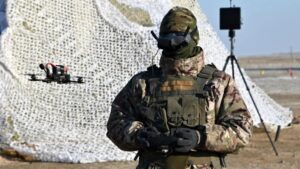
Russia's full-scale invasion of Ukraine fundamentally changed modern military thinking regarding the role of drones on the battlefield. The war demonstrated that unmanned systems are no longer simply auxiliary reconnaissance tools, but central components of modern warfare capable of shaping tactical and operational outcomes.
One of the most important realities demonstrated by the war is the proliferation of relatively cheap precision strike capabilities. FPV drones, loitering munitions, and strike UAVs now allow even smaller military formations to conduct highly accurate strike missions at a relatively low cost. According to a 2026 Carnegie Endowment report, drones are now responsible for up to 80 percent of Russian battlefield casualties in some sectors of the front, highlighting the unprecedented role unmanned systems now play in modern warfare.
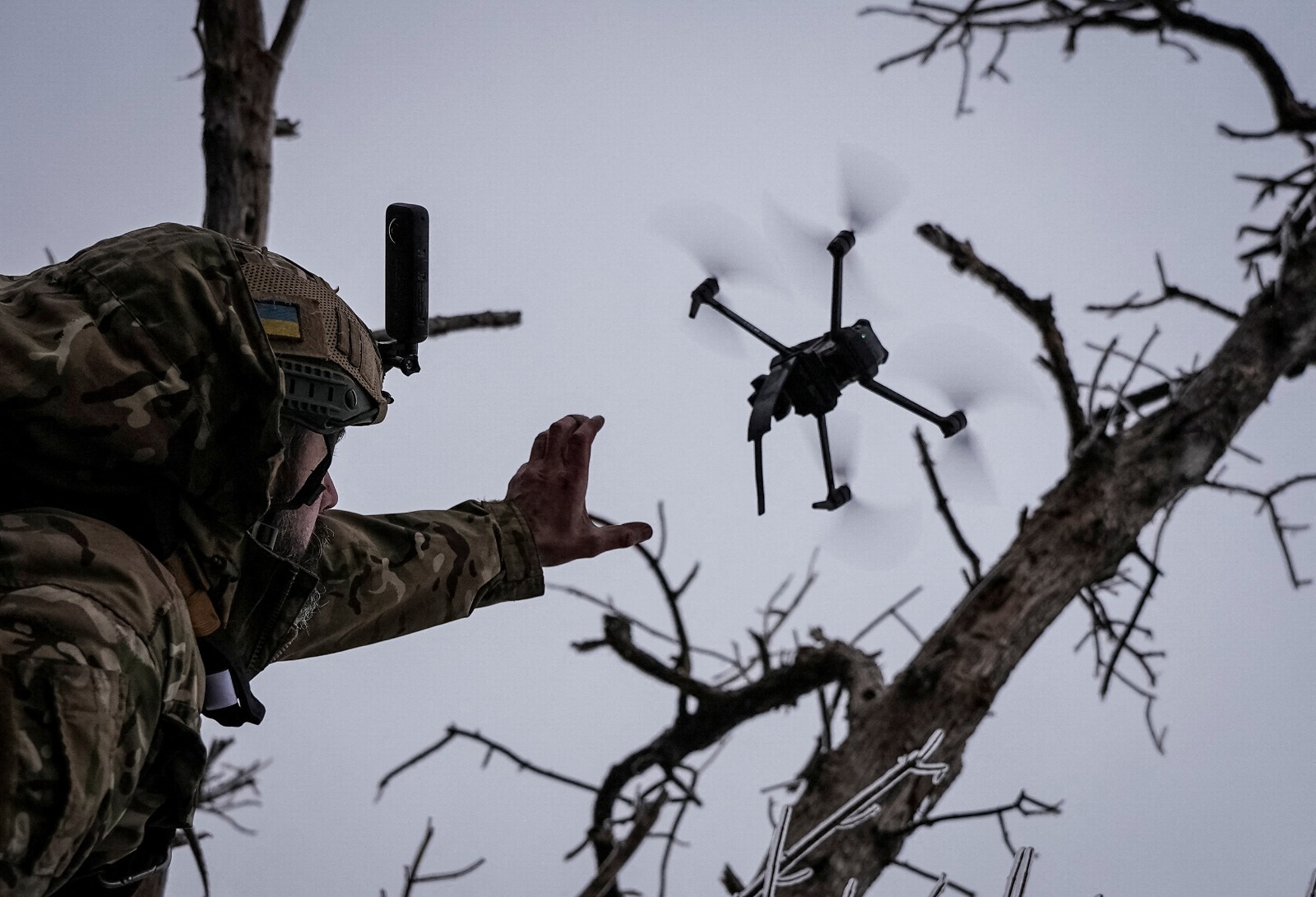
The war also demonstrated how drones fundamentally transform battlefield visibility. Constant aerial surveillance significantly reduces the ability of military units to conceal movement, maintain static defensive positions, or conduct large-scale manoeuvres without detection. This creates serious challenges for conventional battlefield doctrine and unit structures adopted by many militaries, which assume an environment with significantly lower levels of real-time observation and precision strike exposure.
Perhaps the most important aspect of the war in Ukraine is the extraordinary speed of military adaptation and innovation. Both Russia and Ukraine continuously modify drone designs, electronic warfare systems, battlefield tactics, and operational procedures in response to each other's actions. This rapid adaptation cycle means that militaries unable to innovate quickly risk becoming technologically and doctrinally outdated within a short period of time. As a result, even states not directly involved in large-scale conflict increasingly understand the necessity of drone integration and anti-drone capability development.
IIWhy Are Drones Important for Central Asian States?
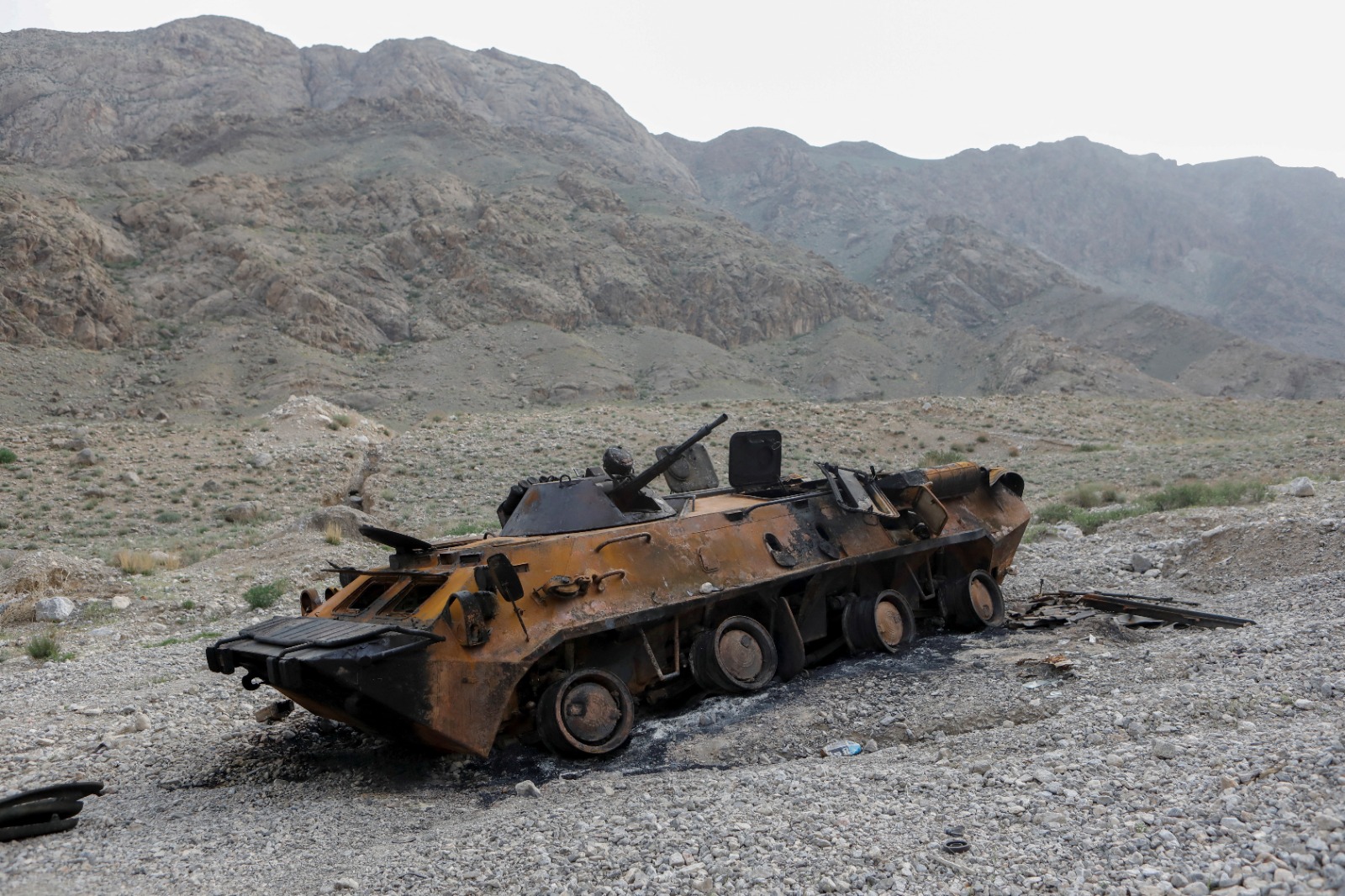
Most Central Asian states are currently not involved in large-scale interstate conflicts and generally maintain stable relations with one another. Countries such as Kazakhstan, Uzbekistan, and Turkmenistan remain relatively peaceful compared to many other regions of the post-Soviet space. However, this does not mean that Central Asia is geopolitically secure or free from military concerns. Kyrgyzstan and Tajikistan experienced serious border clashes throughout recent years which resulted in significant casualties and demonstrated how quickly regional disputes can escalate into armed confrontation, even if these tensions are now largely reduced following the 2025 border agreement.
Security concerns are also shaped by geography. Tajikistan, Turkmenistan, and Uzbekistan border Afghanistan, making issues such as cross-border instability, smuggling networks, and potential extremist activity important long-term security considerations.
At the same time, broader geopolitical realities also influence military planning in the region. Kazakhstan in particular shares a long border with Russia and, despite maintaining formally good relations with Moscow, understands the strategic risks of excessive military weakness and overdependence. This does not mean that Kazakhstan seeks confrontation with Russia or aims to fully distance itself from Moscow. However, Astana increasingly attempts to preserve strategic flexibility and maintain the ability to pursue a multi-vector foreign policy without becoming entirely constrained by external pressure. Military modernisation therefore serves not only defensive purposes, but also broader goals related to sovereignty and strategic autonomy.
All of these factors make military development and adaptation to modern warfare realities increasingly important for Central Asian states. The war in Ukraine demonstrated that drones provide relatively affordable reconnaissance, strike, and battlefield surveillance capabilities even for countries without massive military-industrial bases or defence budgets. As a result, unmanned systems are increasingly viewed across Central Asia not simply as prestige acquisitions, but as practical tools capable of strengthening border security, military deterrence, operational flexibility, and overall combat effectiveness.
Kazakhstan — Integration into Elite Air Assault Units
Kazakhstan has emerged as one of the most ambitious drone modernisation actors in Central Asia, increasingly treating unmanned systems as important components of future military capability. Unlike some other states which created separate drone-focused structures, Kazakhstan chose to integrate drone warfare adaptation into its existing elite military formations.
This direction became particularly visible in 2024, when Kazakhstan formally established dedicated unmanned divisions within the Air Assault Forces (AAF) structure. The importance attached to broader modern warfare adaptation was further reinforced by Deputy Defence Minister Shaykh-Khasan Zhazykbayev, who stated that Kazakhstan's 2025 modernisation priorities would focus on unmanned aviation, electronic warfare, air defence, cyber security, and Special Operations Forces.
At the same time, Kazakhstan is actively pursuing domestic drone production and technology transfer. In May 2026, Kazakhstan and Turkey agreed on the production and maintenance of Turkish ANKA drones on Kazakh territory, potentially turning Kazakhstan into an overseas production base for the platform. Similar discussions are also ongoing with Baykar regarding localised production of Bayraktar systems.
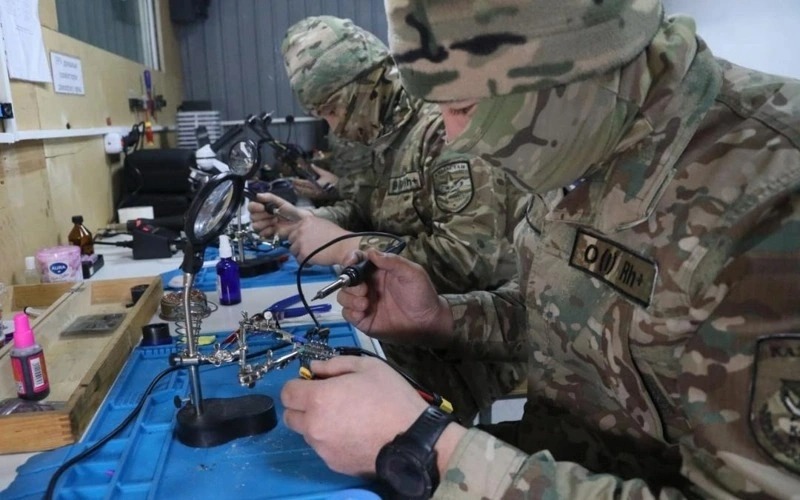
Kazakhstan's drone ambitions are not limited to foreign procurement. In December 2025, a drone production and repair workshop became operational within the Air Assault Forces structure. According to Kazakh sources, more than one hundred tactical drones were already produced for military use. While these are primarily smaller FPV reconnaissance systems, the project demonstrates Kazakhstan's growing interest in building domestic production capabilities.
Military exercises increasingly reflect this modernisation effort. During the Desant-2025 exercises, UAVs were used for aerial reconnaissance, artillery fire adjustment, battlefield surveillance, strike coordination, and real-time operational command support. This indicates that Kazakhstan is attempting to adapt not only technologically, but doctrinally as well.
However, Kazakhstan's ambitions remain constrained by financial realities. Defence spending increased significantly over recent years, rising from approximately 672 billion tenge in 2020 to more than 1.5 trillion tenge in 2026. Despite this growth, military spending still remains around only one percent of GDP, a relatively modest figure for a country of Kazakhstan's size and geopolitical significance. Even Kazakhstan's Deputy Defence Minister Askar Mustabekov acknowledges that meaningful expansion of domestic drone production and broader military modernisation will likely require further increases in defence expenditure.
Overall, Kazakhstan appears to be pursuing a relatively structured and long-term approach to drone integration by combining institutional adaptation, foreign partnerships, domestic production efforts, and battlefield training modernisation.
Uzbekistan — A Regional Leader in Drone and Counter-Drone Integration
Among the Central Asian states examined in this article, Uzbekistan surprisingly demonstrates the highest level of comprehensive drone and counter-drone integration. Unlike countries whose efforts remain focused mainly on procurement or limited domestic assembly, Uzbekistan increasingly combines imports, domestic production, doctrinal adaptation, and counter-UAV development.
In 2026, Uzbekistan established a new special military unit equipped with Bayraktar UAVs, while President Shavkat Mirziyoyev simultaneously announced plans for the creation of specialised counter-drone, air defence, and cyber units using artificial intelligence technologies. Mirziyoyev also instructed security and government officials to revise Uzbekistan's Defence Doctrine and National Security Concept with greater emphasis on high-technology military capabilities and regional stability.
Uzbekistan's modernisation effort is also characterised by significant supplier diversification. According to official statements, defence technology cooperation has already been established with more than twenty countries. At the same time, Turkey increasingly occupies a central role in Uzbekistan's drone strategy. In early 2025, Tashkent signed an agreement for the acquisition of Turkish ANKA SIHA drones, which are expected to operate alongside the country's existing Bayraktar fleet.
Unlike most regional states, Uzbekistan is also actively developing both UAV and counter-UAV production capabilities domestically. The State Committee for Defence Industry established production of the locally developed Lochin UAV line, while the Defence Industry Agency's official catalogue includes a growing range of reconnaissance drones, FPV systems, drone detectors, and portable and stationary anti-drone solutions.
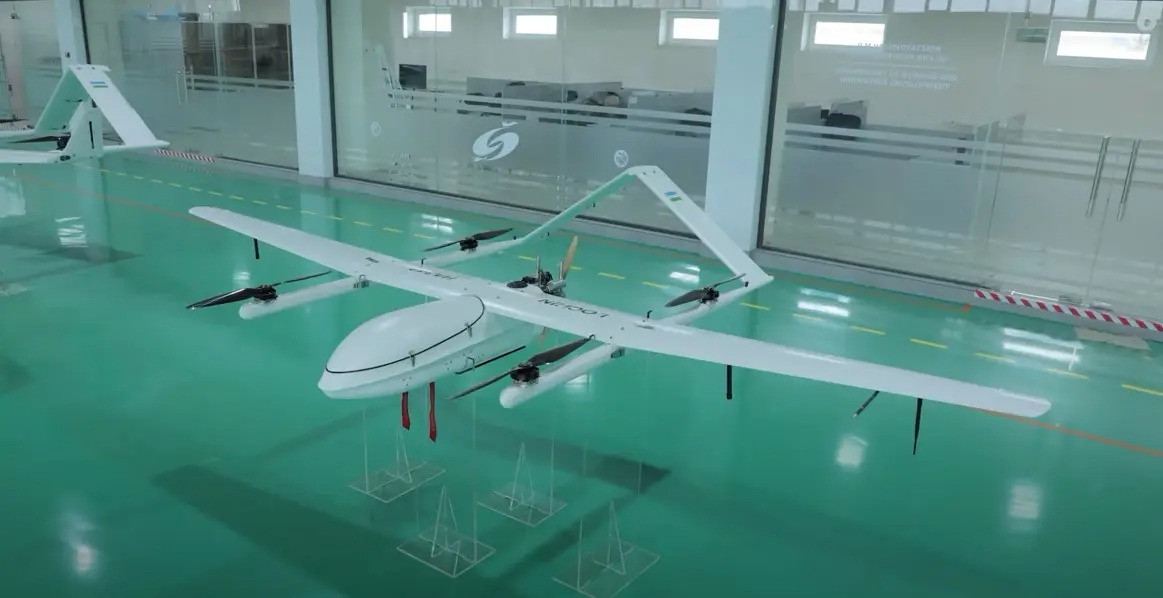
Particularly notable is the development of Uzbekistan's domestic electronic warfare and counter-UAV sector. The company Electronic Autonomous Solutions (EAS) currently produces a range of systems intended to protect critical infrastructure from small UAVs, including platforms such as the semi-stationary EAS Dome and the portable EAS-2 Air Fender. According to available information, the company maintains a production rate exceeding forty systems per month. The Defence Industry Agency's official production catalogue also includes additional portable, mobile, and stationary anti-drone systems alongside drone detection solutions. The existence of relatively advanced domestic counter-drone systems is unique among the Central Asian states examined in this article and demonstrates a comparatively high level of awareness regarding modern battlefield threats.
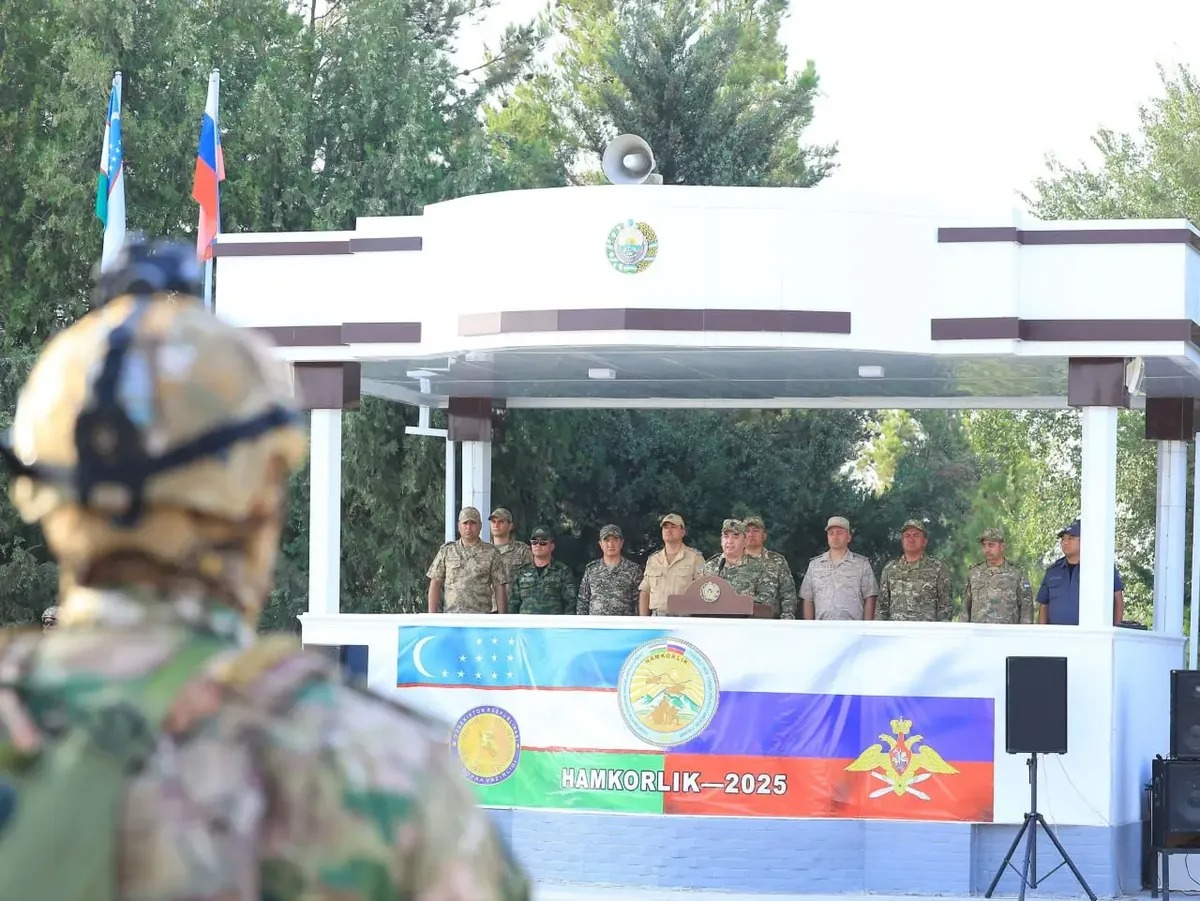
Uzbekistan also increasingly emphasises training and adaptation alongside procurement. During discussions on military modernisation, Mirziyoyev called for organising UAV control, robotics, and even e-sports competitions among military personnel, signalling growing institutional interest in technologically oriented warfare training and operational culture. As part of the Hamkorlik-2025 joint exercises with Russia, Uzbek forces practised coordinated drone strikes against armoured vehicles and battlefield targets, further indicating growing institutional emphasis on UAV integration in operational training.
Financially, Uzbekistan also possesses advantages over many of its regional neighbours. With projected 2026 defence spending reaching approximately $6.2 billion — the highest in Central Asia — Tashkent possesses significantly greater financial space for sustained modernisation efforts. Combined with expanding domestic production and active foreign partnerships, this allows Uzbekistan to pursue one of the most ambitious drone capability development programmes in the region.
Overall, Uzbekistan currently appears to possess the most comprehensive and balanced drone modernisation strategy in Central Asia. Rather than relying solely on imports or symbolic procurement, Tashkent increasingly attempts to combine domestic production, counter-UAV development, foreign cooperation, doctrinal adaptation, and specialised training into a broader long-term military modernisation effort.
Kyrgyzstan — UAVs and UGVs as Tools of Border Security
Unlike Kazakhstan or Uzbekistan, Kyrgyzstan has not established a separate large-scale unmanned warfare structure within its armed forces. However, UAV operation units are clearly present within the country's Border Service, which operates a growing fleet of Turkish-made drones. The emphasis placed on border forces rather than broader offensive military structures reflects Kyrgyzstan's largely defensive approach to drone integration.
This direction became particularly visible following the deadly border clashes with Tajikistan in recent years. In 2021, Kyrgyzstan procured Turkish Bayraktar TB-2 drones and Russian Orlan-10 UAVs, explicitly presenting them as tools intended for border protection rather than offensive warfare. President Sadyr Japarov repeatedly emphasised the defensive nature of these acquisitions, including during the opening ceremony of Kyrgyzstan's first TB-2 drone base in 2022.
Kyrgyzstan continued expanding its drone capabilities in 2023 through the acquisition of Turkish-made Aksungur and ANKA drones. The growing presence of Turkish systems within Kyrgyzstan's arsenal once again demonstrates Turkey's increasingly central role in military drone development across Central Asia.
At the same time, Bishkek also shows interest in developing domestic production capabilities. In 2022, the SAARA-02 surveillance UAV was presented as Kyrgyzstan's first domestically manufactured drone, although the scale and continuity of production remain unclear. The company associated with the project, Nanospace, later announced plans to establish a UAV research centre and drone operator college near Bishkek, indicating broader ambitions related to drone specialisation and training.
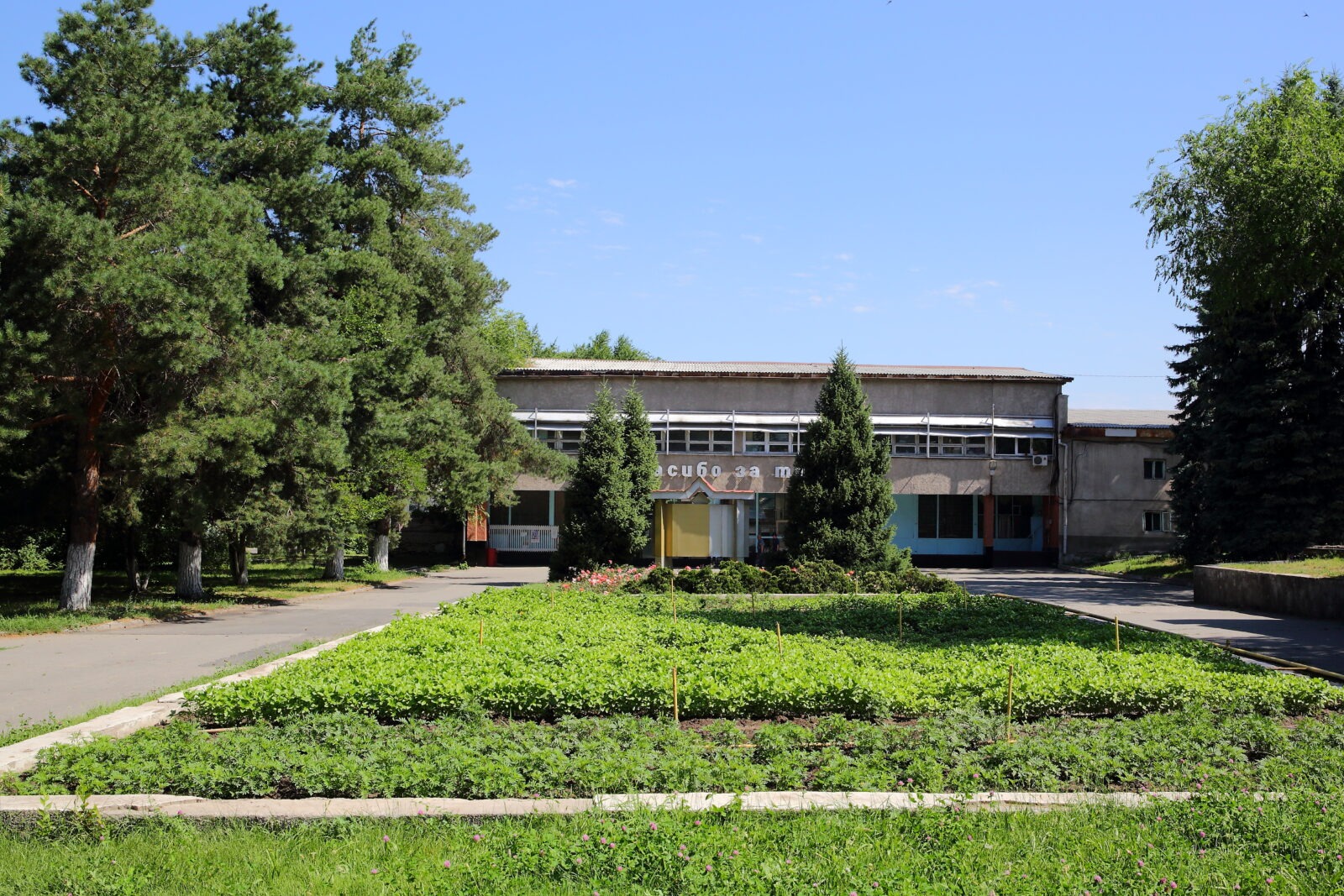
Domestic production efforts received additional institutional support in 2026, when President Japarov tasked the major defence manufacturer Dastan with preparing for domestic UAV production for military purposes. This decision is particularly notable because Dastan officially came under Ministry of Defence control in 2024, suggesting that drone production is increasingly becoming part of Kyrgyzstan's long-term military planning.
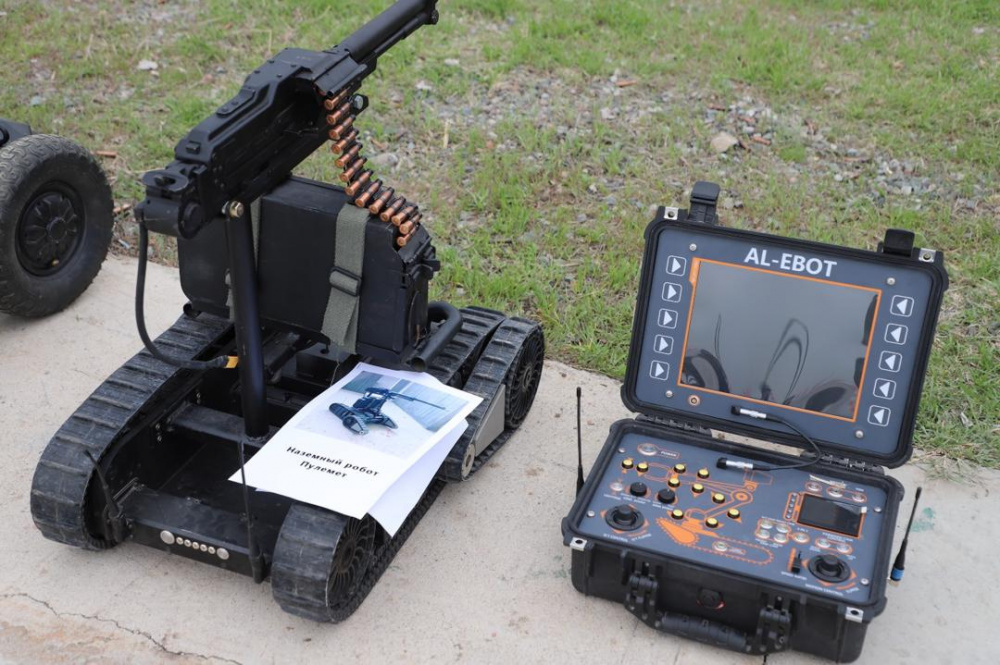
Interestingly, Kyrgyzstan is also among the few Central Asian states demonstrating visible interest in unmanned ground vehicles (UGVs). During the Asman Kozomolu-2025 anti-terrorist exercises involving the elite Alpha Special Forces unit, Kyrgyz forces used kamikaze-type and machine gun-equipped UGVs alongside strike drones and loitering munitions. This indicates that Kyrgyzstan is not only attempting to integrate UAVs, but is also exploring broader unmanned warfare concepts.
Despite this growing interest, financial limitations remain a major constraint. Exact defence spending figures remain unclear, although some estimates put the budget anywhere between $200–600 million. Official statements indicate that military expenditure increased by approximately 400 percent since 2020. Even with this growth, Kyrgyzstan's overall military budget remains relatively modest compared to larger regional actors, potentially limiting the scale and speed of future drone integration efforts.
Overall, Kyrgyzstan's leadership appears well aware of the growing role drones play in modern warfare, particularly regarding border security, reconnaissance, and rapid tactical response. Unlike Uzbekistan, whose drone strategy increasingly reflects broader military modernisation ambitions, Kyrgyzstan's approach remains more security-oriented and closely tied to practical operational needs. The repeated emphasis on defensive use suggests that Bishkek primarily views unmanned systems as tools for strengthening territorial security and improving military preparedness rather than projecting power abroad.
Tajikistan — Limited Integration but Growing Interest
Compared to Kazakhstan or Uzbekistan, Tajikistan's drone integration remains relatively modest and uneven. The country does not possess dedicated drone forces, large-scale procurement programmes, or clearly established domestic serial production capabilities comparable to some regional neighbours. However, recent government initiatives and military activity indicate growing awareness of the importance of unmanned systems in modern warfare and border security.
This interest became particularly visible in 2024, when the Tajik government approved a long-term unmanned aviation development concept extending to 2044. According to the document, Tajikistan plans to train specialised personnel, develop domestic UAV-related industries, and eventually produce electronic components for drones domestically. The Ministry of Defence was officially designated as one of the main institutions responsible for implementing the strategy.
Tajikistan also demonstrated interest in foreign cooperation. In 2022, Iran and Tajikistan announced plans to establish a factory producing Ababil-2 tactical drones on Tajik territory. However, as of 2026, there is no confirmed evidence that the project became operational, leading many observers to question whether the initiative was ever seriously implemented.
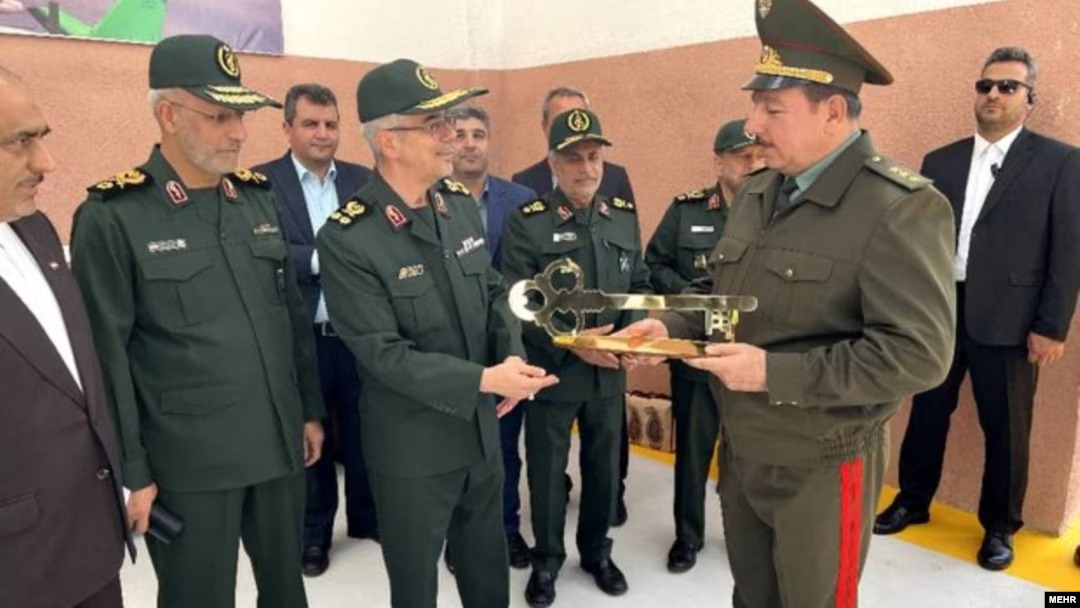
At the same time, Tajikistan increasingly signals interest in developing domestic UAV production capabilities. Officially, proposed drone production projects are largely framed around civilian applications such as geology, agriculture, disaster response, and topography. However, the use of lessons allegedly learned from Turkish Bayraktar production practices suggests that military applications are also being considered by the government.
In July 2025, Tajikistan publicly unveiled the domestically developed ZEV-1 FPV drone during the EXPO exhibition in Dushanbe. According to official statements, the drone uses artificial intelligence-assisted terrain navigation adapted for Tajikistan's mountainous environment. The system reportedly combines AI technologies from the UAE-based QullabAI with modifications developed by Tajik specialists from ZehnLabAI. While serial production plans were announced, the current production status of the drone remains unclear.
Interestingly, Tajikistan also became the first Central Asian country with a confirmed lethal drone operation. In 2025, Tajik border forces reportedly used FPV drones dropping small munitions to neutralise Afghan drug smugglers near the Afghan-Tajik border. The incident demonstrated not only operational use of drones by Tajik security forces, but also the growing importance of unmanned systems for border security and counter-smuggling operations.
Military exercises increasingly reflect this trend as well. During the Partnership-2026 exercises, Tajik forces conducted UAV-supported operations focused on border security and countering unlawful armed groups. Given Tajikistan's geographic position near Afghanistan and its history of border tensions, such exercises demonstrate the growing role drones play in the country's security planning.
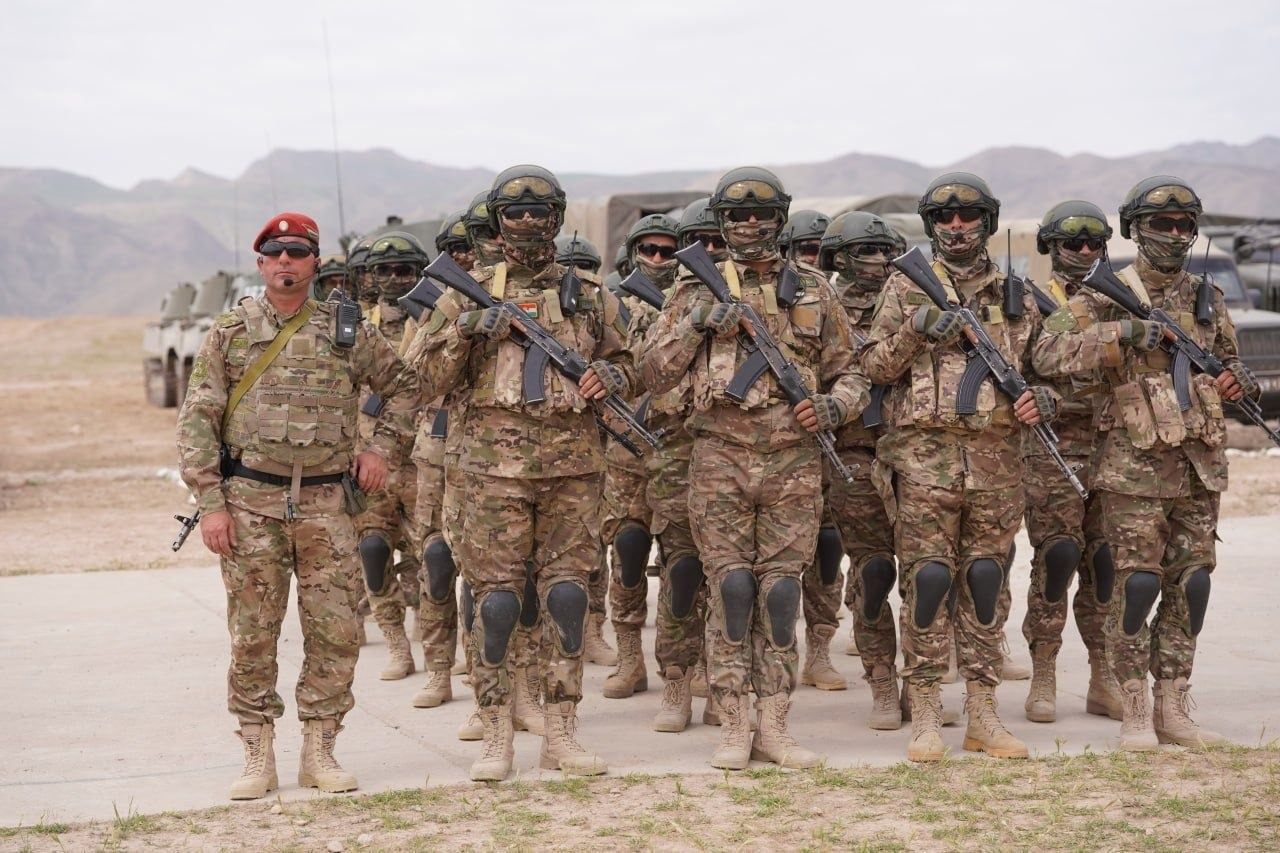
Overall, Tajikistan's drone integration cannot currently be described as highly advanced, but the country clearly demonstrates growing willingness to engage with modern unmanned warfare concepts. Tajikistan increasingly views drones as important tools for border security, surveillance, and tactical military operations, while recent developments suggest continued interest in expanding drone-related capabilities in the coming decades. Official defence spending figures for 2026 are not publicly disclosed, although estimates place Tajikistan's military budget at roughly $500 million — relatively limited financial resources that likely constrain the scale and speed of modernisation efforts.
Turkmenistan — An Early but Quiet Player in Drone Integration
Compared to many other Central Asian states, Turkmenistan began exploring unmanned systems relatively early. The country's interest in UAVs dates back to at least 2015, when the Unmanned Aerial Vehicles Centre under the Ministry of Internal Affairs was opened in Ashgabat. Officially, the centre focused on applications such as agriculture and administrative tasks, although military use was also explicitly mentioned as one of the important directions for future development. This suggests that the Turkmen government recognised the growing importance of unmanned systems earlier than many global actors.
However, despite this early start, the practical results of domestic production efforts remain unclear. Turkmenistan has not publicly demonstrated major indigenous UAV projects or significant production achievements, making it difficult to assess the actual scale and quality of domestic drone manufacturing capabilities.
At the same time, UAVs have gradually become visible within the country's security structures. Tactical drones intended for surveillance and border patrol were already present in the arsenal of the armed forces by 2019. Specialised drone operation personnel appear to exist primarily within the Air Force and border security structures rather than in separate unmanned warfare formations.
Turkmenistan's drone modernisation accelerated following the procurement of Turkish Bayraktar TB-2 drones in 2021, although the exact number remains undisclosed. The drones were publicly used during military exercises in 2022, when the Turkmen Air Force conducted ground strike operations with UAV support for the first time. Particularly notable was the integration of drone activity with the Turkmen Alem 52E satellite, suggesting attempts to improve command, communication, and reconnaissance coordination capabilities.
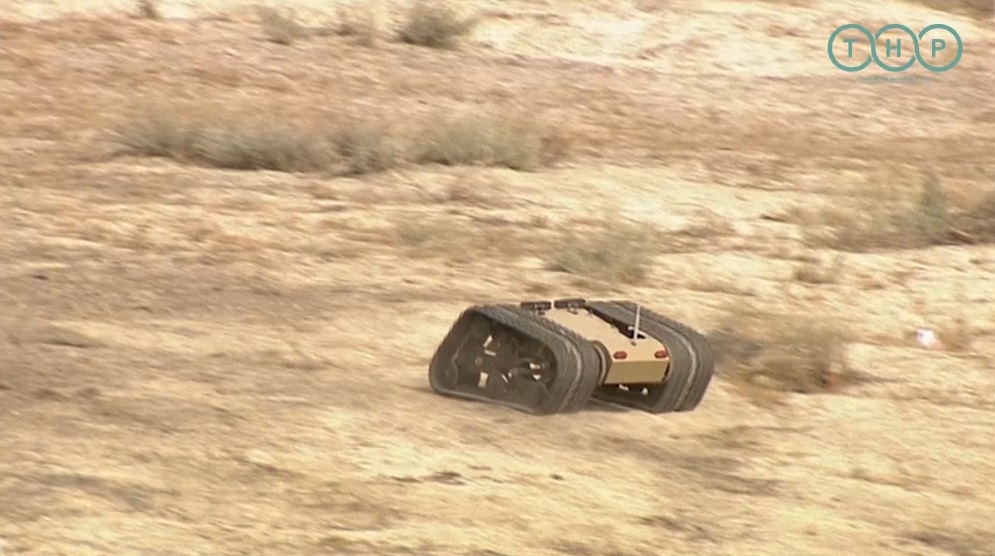
Further developments became visible during military exercises in the Balkan region in 2024. Training footage showed the use of multiple drone types, including larger strike UAVs likely consisting of Bayraktar TB-2s as well as smaller FPV quadcopters dropping munitions on targets. Interestingly, footage from the exercises also briefly showed the use of an unmanned ground vehicle (UGV), although no official reporting regarding UGV integration has been published. This potentially indicates that Turkmenistan is quietly experimenting with broader unmanned warfare concepts beyond aerial systems alone.
Another notable aspect of Turkmenistan's drone policy is supplier diversification. The country reportedly operates drones originating from Turkey, Russia, Italy, China, and Belarus, demonstrating efforts to avoid dependence on a single supplier and maintain flexibility in procurement.
Overall, Turkmenistan appears to pursue a relatively cautious but consistent approach toward drone integration. While the country does not publicly emphasise military modernisation to the same degree as Kazakhstan or Uzbekistan, the gradual integration of UAVs into training exercises, surveillance activities, and strike operations indicates growing recognition of their importance in modern warfare. Official defence budget figures for 2026 are not publicly disclosed, although estimates place military expenditure at roughly $1.5 billion — providing Turkmenistan with a relatively moderate but still meaningful financial base for continued procurement and modernisation efforts.
Overarching Observations and Conclusion
Several broader trends emerge from examining drone integration across Central Asia. Most notably, Uzbekistan currently appears to be the regional leader in both drone and counter-drone capability development. Unlike other states examined in this article, Uzbekistan combines relatively advanced domestic UAV production, anti-drone system manufacturing, supplier diversification, doctrinal adaptation, and institutional modernisation into a comparatively coherent long-term strategy.
At the same time, Central Asian states demonstrate different approaches toward force structure adaptation. Kazakhstan integrated dedicated UAV divisions directly into its elite Air Assault Forces, while Kyrgyzstan and Tajikistan rely more heavily on border security structures and specialised operational personnel rather than large dedicated unmanned formations. Turkmenistan meanwhile appears to follow a quieter and less institutionalised model focused on gradual integration into existing military and security structures.
Despite these differences, almost all examined states increasingly demonstrate interest in domestic production capabilities. Kazakhstan, Uzbekistan, Kyrgyzstan, and Tajikistan all announced or initiated projects related to local UAV production, assembly, or research infrastructure development. The scale and sophistication of these efforts varies significantly, but the broader trend itself suggests growing awareness that long-term reliance solely on imports may become strategically limiting.
Another highly visible trend is supplier diversification. Rather than depending entirely on one military partner, most Central Asian states increasingly procure drones and related technologies from multiple countries simultaneously. Turkey, Russia, China, Belarus, Italy, Iran, and the UAE all appear in various aspects of the region's drone ecosystem.
Among all external actors, Turkey's influence appears particularly significant. Turkish UAVs are now present in the arsenals of multiple Central Asian states, while Turkish defence companies increasingly participate not only in exports, but also in technology transfer, maintenance agreements, and discussions regarding localised production. This makes Turkey arguably the single most influential external drone actor in Central Asia today.
At the same time, financial limitations remain a serious constraint for several countries in the region. Uzbekistan possesses a substantially larger defence budget than most of its neighbours, allowing it to pursue more ambitious procurement and industrial development efforts. Smaller states such as Kyrgyzstan and Tajikistan face much greater financial restrictions, potentially limiting the scale and speed of future modernisation programmes.
Finally, the use of UAVs in military training exercises has become increasingly widespread across the region. Kazakhstan, Kyrgyzstan, Tajikistan, Turkmenistan, and Uzbekistan all increasingly incorporate drones into battlefield exercises involving reconnaissance, strike coordination, border security, artillery adjustment, or anti-terrorist operations. Particularly interesting is the gradual appearance of unmanned ground vehicles during exercises in Kyrgyzstan and Turkmenistan, suggesting that some regional militaries are beginning to explore broader unmanned warfare concepts beyond aerial systems alone.
The war in Ukraine significantly accelerated global military interest in unmanned systems, and Central Asia is no exception. While the region remains relatively stable compared to many other parts of the post-Soviet space, governments increasingly recognise that drones, counter-UAV systems, and broader unmanned warfare concepts are becoming necessary components of modern military preparedness rather than optional technological additions. The broader regional trend is clear: Central Asian militaries are increasingly attempting to adapt to the realities of modern warfare shaped by the rapid technological and doctrinal transformations observed in Ukraine.
Note: This article was completed on 6 June 2026 and reflects open-source information available as of that date. Defence budget figures for Kyrgyzstan, Tajikistan, and Turkmenistan are estimates drawn from publicly available sources and should be treated as approximations. The views expressed are those of the author.